Fresno Truck Accident Attorney
A collision with a loaded tractor-trailer is not a bigger car crash. It is a different case, against a different opponent, on a shorter clock.
Overview of Truck Accidents
In short
A California truck accident claim is usually worth pursuing against the motor carrier, not only the driver, because the company is liable for its driver and carries far higher insurance limits. The deadline is two years from the crash, but the truck's electronic logs can be overwritten in months, so evidence has to be demanded early.
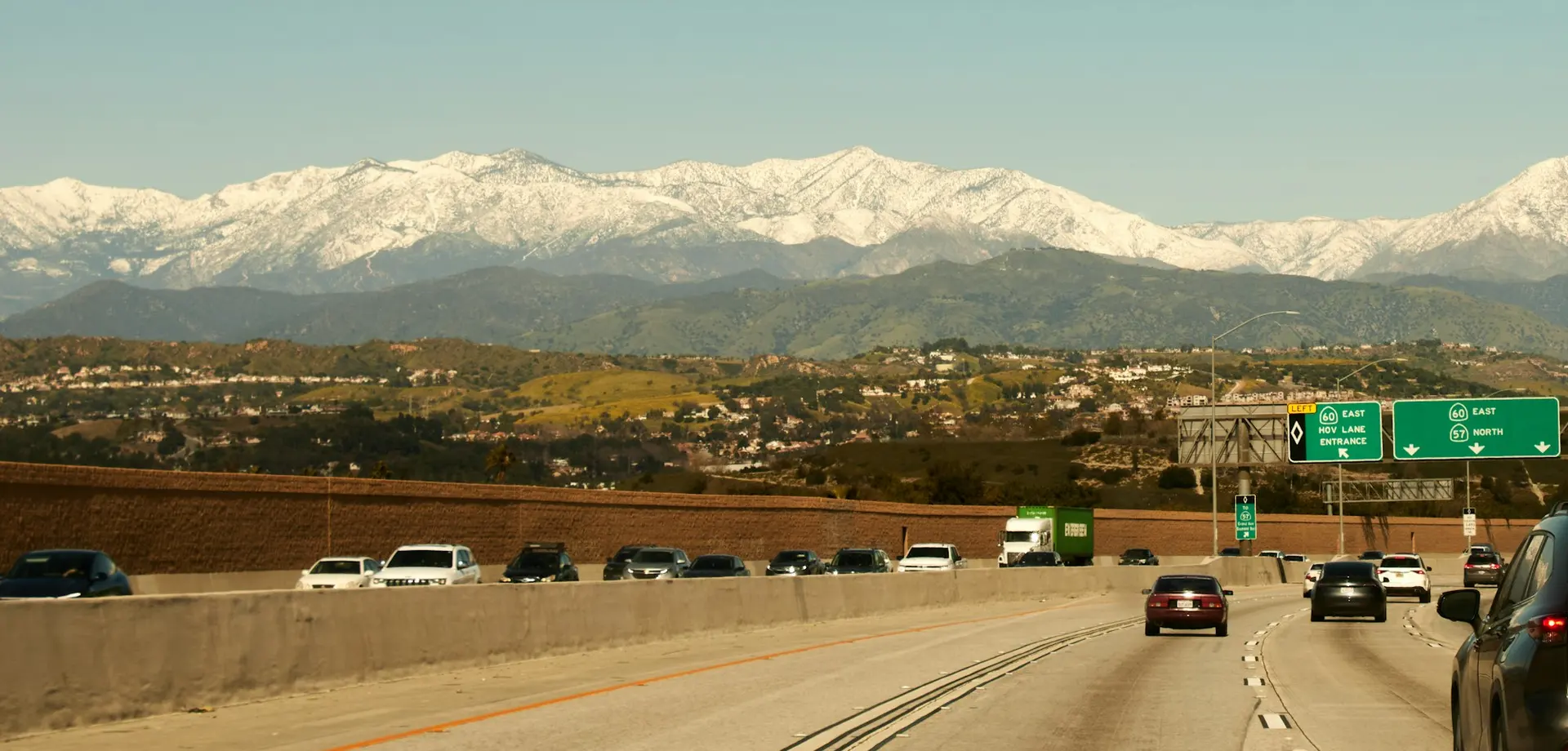
Highway 99 carries freight through the middle of Fresno County, and I-5 runs the length of the west side. The Central Valley moves a very large share of California’s agricultural and commercial trucking, which means collisions between loaded tractor-trailers and ordinary cars are a routine event here rather than an unusual one.
Why these cases are fought differently
A fully loaded tractor-trailer can weigh around 80,000 pounds against a passenger car’s 4,000. The physics alone explain why injuries in these collisions tend to be catastrophic rather than moderate. But the legal reason these cases are handled differently is the opponent.
When a private driver hits you, the other side is an individual and his auto insurer. When a commercial truck hits you, the other side is a business with a claims process built for exactly this moment. Many carriers have a rapid response protocol: an adjuster and sometimes an investigator and an attorney are dispatched to the scene while the road is still closed. They photograph, measure and interview before anyone has called you back from the hospital.
That is not wrongdoing. It is preparation. The answer to it is equal preparation on the other side, started early.
The evidence that decides the case has an expiry date
Three categories of proof matter most, and all three can disappear.
Hours of service. Federal rules limit how long a commercial driver may drive and work: 11 hours of driving inside a 14-hour window, a required 30-minute break, and weekly caps of 60 or 70 hours. Most interstate drivers now log this electronically. Under 49 C.F.R. § 395.8(k) the carrier must keep those records for six months. A fatigue case built after that window may have nothing left to build on.
Engine and event data. The tractor’s control module records speed, braking, throttle position and sudden-deceleration events. It is overwritten in normal operation, and once the truck is repaired and back in service the record of that day may be gone.
The truck itself. Brake condition, tire condition, how the cargo was loaded and secured. Once the vehicle is repaired, those are questions nobody can answer.
This is why a letter demanding that the carrier preserve all of it goes out as early as possible. The sooner that happens, the less of the case depends on reconstruction after the fact.
Why the insurance limits matter to you
An ordinary California driver may carry as little as the state minimum, which has been $30,000 per person since January 2025. An interstate motor carrier hauling general freight is required to carry at least $750,000, and up to $5,000,000 for some hazardous loads.
That difference is the practical reason to identify every company connected to the truck rather than settling with the driver’s own policy. A serious spinal or brain injury can exhaust a $30,000 policy in a week of hospital care. The question is rarely whether the harm is real. It is whether the claim has been brought against the parties who can actually answer for it.
What to do now
Get your own medical care and keep going to it; gaps in treatment become the defense’s argument that you recovered. Photograph everything you can, including the truck’s markings, the company name and the US DOT number painted on the cab. Do not give a recorded statement to the carrier’s adjuster. And call before the six-month records window starts running down.
Frequently Asked Questions
Who can be held responsible for a truck accident in California?
Often several parties at once: the driver, the motor carrier that employed him, the company that loaded or secured the cargo, a maintenance contractor, the owner of the trailer if it is separate from the tractor, and sometimes a broker. Each may carry its own insurance policy.
How is a truck accident claim different from a car accident claim?
The opponent is a commercial insurer that is notified within hours and often has investigators at the scene the same day. The vehicle also carries electronic data the defense controls. That combination means the evidence that decides the case is in the other side's hands from the start.
How long do I have to sue after a truck accident in California?
Two years from the crash under Code of Civil Procedure section 335.1. If a public entity is involved, such as a city truck or a dangerous road condition, a written claim must be presented to that entity within six months.
What is the black box in a commercial truck?
Modern tractors record speed, braking, throttle and engine data, and federal rules require most interstate drivers to log hours electronically. That data can show how fast the truck was going and how long the driver had been working, but it is not preserved indefinitely.
The trucking company's adjuster called me the day after. Should I give a statement?
Not before you have spoken to your own attorney. A recorded statement taken while you are medicated, sore and unsure of the facts becomes the version of events the carrier works from for the rest of the case.